


/filters:format(webp)/english-betterindia/media/media_files/2025/12/23/whatsapp-image-priyanka-tri-2025-12-23-12-24-49.jpeg "Over 600 Grassroots Women in Ranchi Trained in AI Skills to Boost Livelihoods")

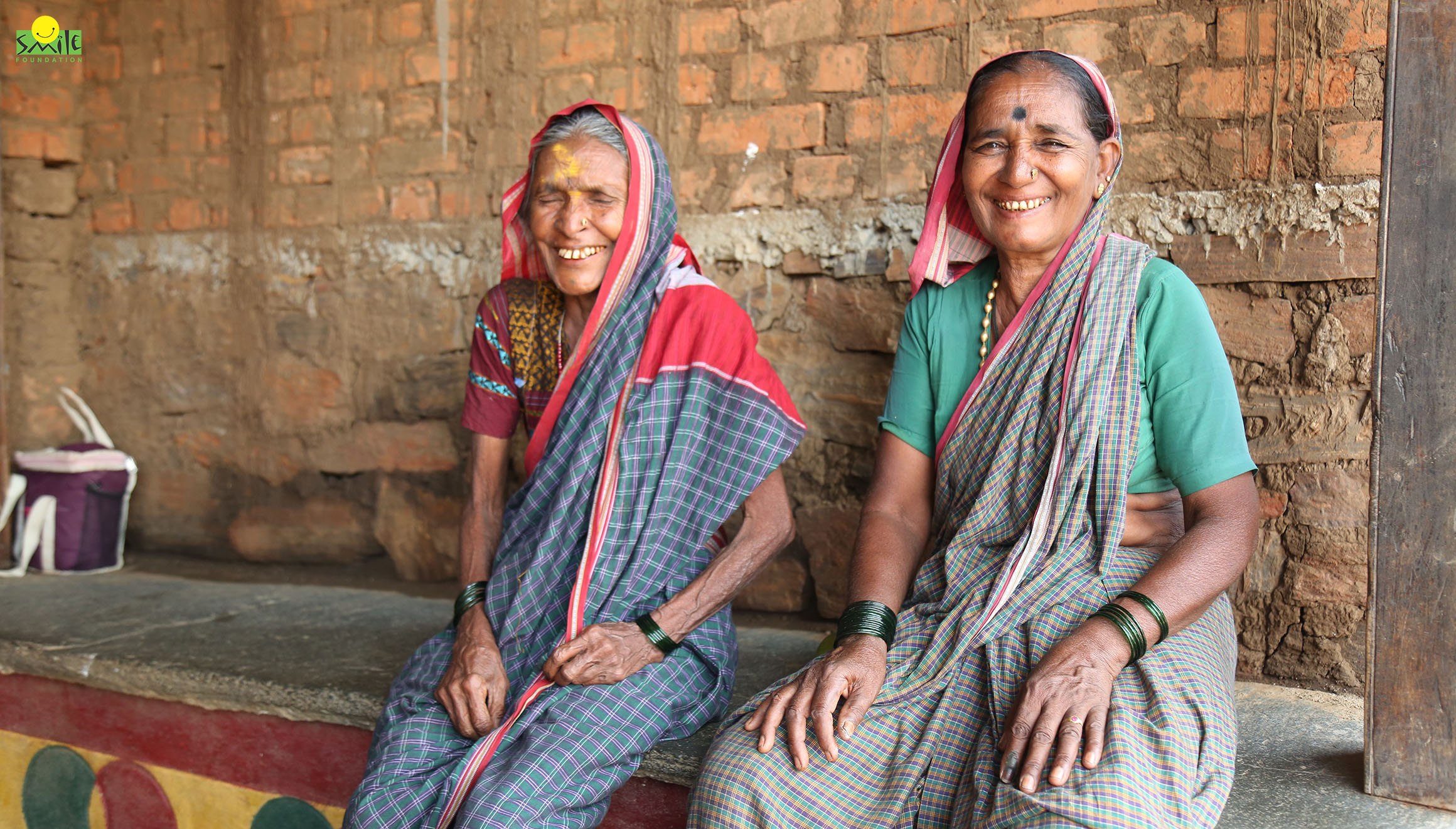

In India, poverty is often discussed in terms of income levels, access to education, and healthcare. However, a crucial yet often overlooked factor is financial literacy. The ability to understand and manage financial resources is not just a skill but a powerful tool for empowerment. For women, especially in rural areas, acquiring financial literacy can be transformative, enabling them to break free from the cycle of poverty and build a more secure future for themselves and their families.
The Importance of Financial Literacy for Women
Women, particularly in rural regions, are frequently the primary managers of household finances. They make decisions about budgeting, saving, and spending, yet often lack formal financial education. This gap in knowledge can lead to poor financial decisions, increased vulnerability to debt, and limited access to economic opportunities.
Financial literacy empowers women to make informed financial choices, access banking services, understand credit, and invest in income-generating activities. It also enables them to navigate digital financial platforms, which are increasingly essential in today’s economy.
Real-Life Impact
Programs aimed at enhancing financial literacy among women have shown significant positive outcomes. For instance, in Motihari, Bihar, a woman named Meera, once reliant on her husband for financial decisions, now independently manages household expenses using a digital wallet. She has also enrolled in a government insurance scheme and educates her neighbors about saving through self-help groups. Meera’s story is a testament to how financial literacy can lead to greater autonomy and improved economic conditions.
Community Initiatives and Support
Various non-governmental organizations (NGOs) and community-based programs are working to bridge the financial literacy gap among women. These initiatives provide training in digital literacy, banking, and financial planning. They also offer platforms for women to share knowledge and support each other, fostering a sense of community and collective empowerment.
Challenges and the Way Forward
Despite the progress, challenges remain. Cultural norms, lack of access to education, and limited exposure to financial services continue to hinder women’s financial empowerment. Overcoming these barriers requires a concerted effort from governments, NGOs, and communities to provide accessible financial education and resources.
Financial literacy is more than just a skill; it is a catalyst for change. By equipping women with the knowledge and tools to manage their finances, we empower them to take control of their economic destinies. This empowerment not only benefits individual women but also uplifts families and communities, contributing to the broader goal of poverty alleviation.