


/filters:format(webp)/english-betterindia/media/media_files/2025/12/23/whatsapp-image-priyanka-tri-2025-12-23-12-24-49.jpeg "Over 600 Grassroots Women in Ranchi Trained in AI Skills to Boost Livelihoods")

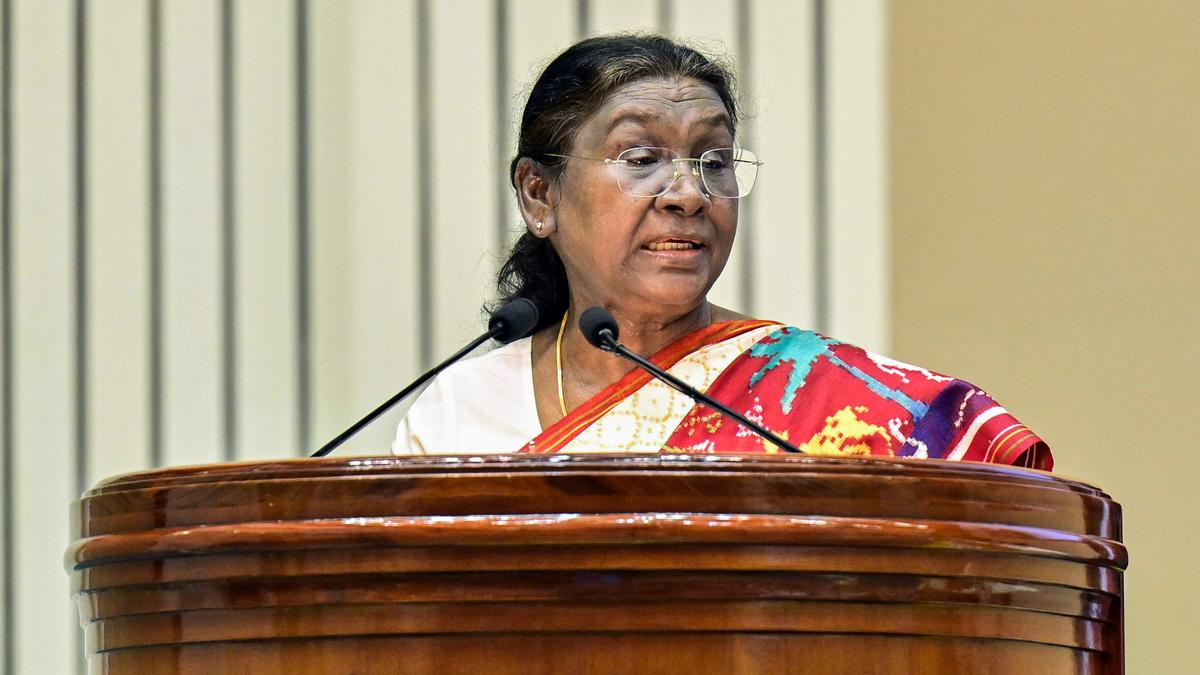

At the plenary of the International Solar Alliance (ISA) hosted in New Delhi, President Droupadi Murmu delivered a message that broadened the conversation beyond megawatts and infrastructure. She highlighted India’s achievement of crossing 120 gigawatts of solar capacity and its ambition to become a global hub for solar innovation by 2050. But what drew the highest attention was her call for women’s participation to be integrated into this green transformation.
The President said that energy access should go hand in hand with dignity, livelihoods and leadership for women. She pointed to the ISA initiative “Solar for She” as a model for policy, finance and skilling interventions that empower women in rural and urban energy sectors. By linking clean energy with job creation and community transformation, India signals a shift: sustainable development is not just about climate, it is about inclusion.
Speakers during the session brought out the nuanced challenge: while technical roles in solar manufacturing, installation and maintenance are growing, women remain underrepresented. The President underscored that changing that imbalance requires more than training; it requires systemic change in hiring, financing and decision-making power.
For rural women in India, the message matters. From solar irrigation schemes for farmers to decentralized rooftop installations in towns, women are being invited into roles typically held by men. The address at the ISA summit cemented that these aren’t peripheral tasks, women are emerging as active participants in India’s renewable growth story.
As the summit closed, industry leaders and policymakers left with a renewed sense of direction. India’s solar ambition now carries a gender dimension, because the success of the energy transition will depend not just on panels and inverters but on the full participation of all its citizens.