

/filters:format(webp)/english-betterindia/media/media_files/2025/12/23/whatsapp-image-priyanka-tri-2025-12-23-12-24-49.jpeg "Over 600 Grassroots Women in Ranchi Trained in AI Skills to Boost Livelihoods")

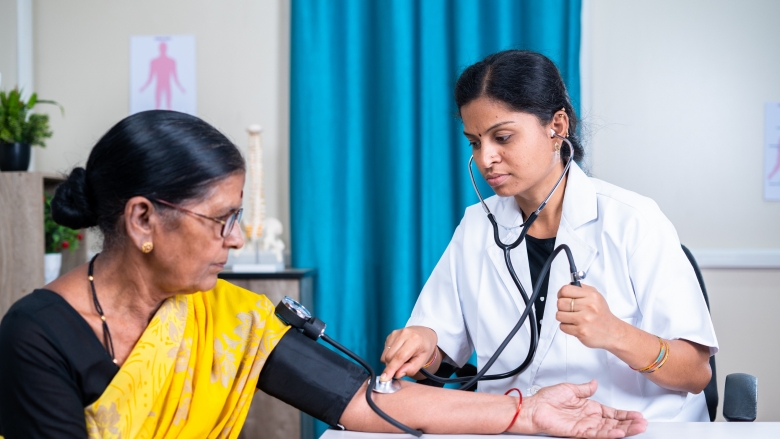

In one of the most ambitious health reforms seen in recent years, the World Bank together with the Government of Kerala unveiled a wide-ranging programme designed to strengthen the state’s health-care system and reduce preventable deaths, especially among women. The programme targets non-communicable diseases and women-specific cancers, promising a 40 percent improvement in hypertension control and a 60 percent rise in cervical and breast cancer screening among women in the participating districts.
For women in districts like Wayanad, Kozhikode and Palakkad, the benefits are tangible: home-based care for older and bedridden patients, better trauma and emergency services, electronic tracking of chronic conditions, and a strengthened digital health platform. These interventions are designed to ensure that women, especially those who have been marginalised or living in remote zones, are no longer left behind.
Officials emphasised the broader vision: when women’s health is secured, families, communities and economies strengthen. The World Bank task-leaders noted that Kerala, with one of the highest female literacy rates in India, is well-placed to convert educational advantage into healthy lives. The project will also improve energy efficiency in health centres and adopt climate-resilient measures—recognising that women bear a disproportionate burden when disasters and climate events hit health systems.
However, designing and executing such a multi-layered programme is not without challenge. Ensuring uptake of screening, reaching remote households, cultural resistance in some pockets, and sustaining funding over decades are all hurdles. Yet for many women in Kerala this signals a shift: from being passive recipients of care to being active participants in their health journey.
As rollout begins, Kerala may become a national model, not only in how it addresses disease but how it does so with women at the centre of the strategy.