

/filters:format(webp)/english-betterindia/media/media_files/2025/12/23/whatsapp-image-priyanka-tri-2025-12-23-12-24-49.jpeg "Over 600 Grassroots Women in Ranchi Trained in AI Skills to Boost Livelihoods")

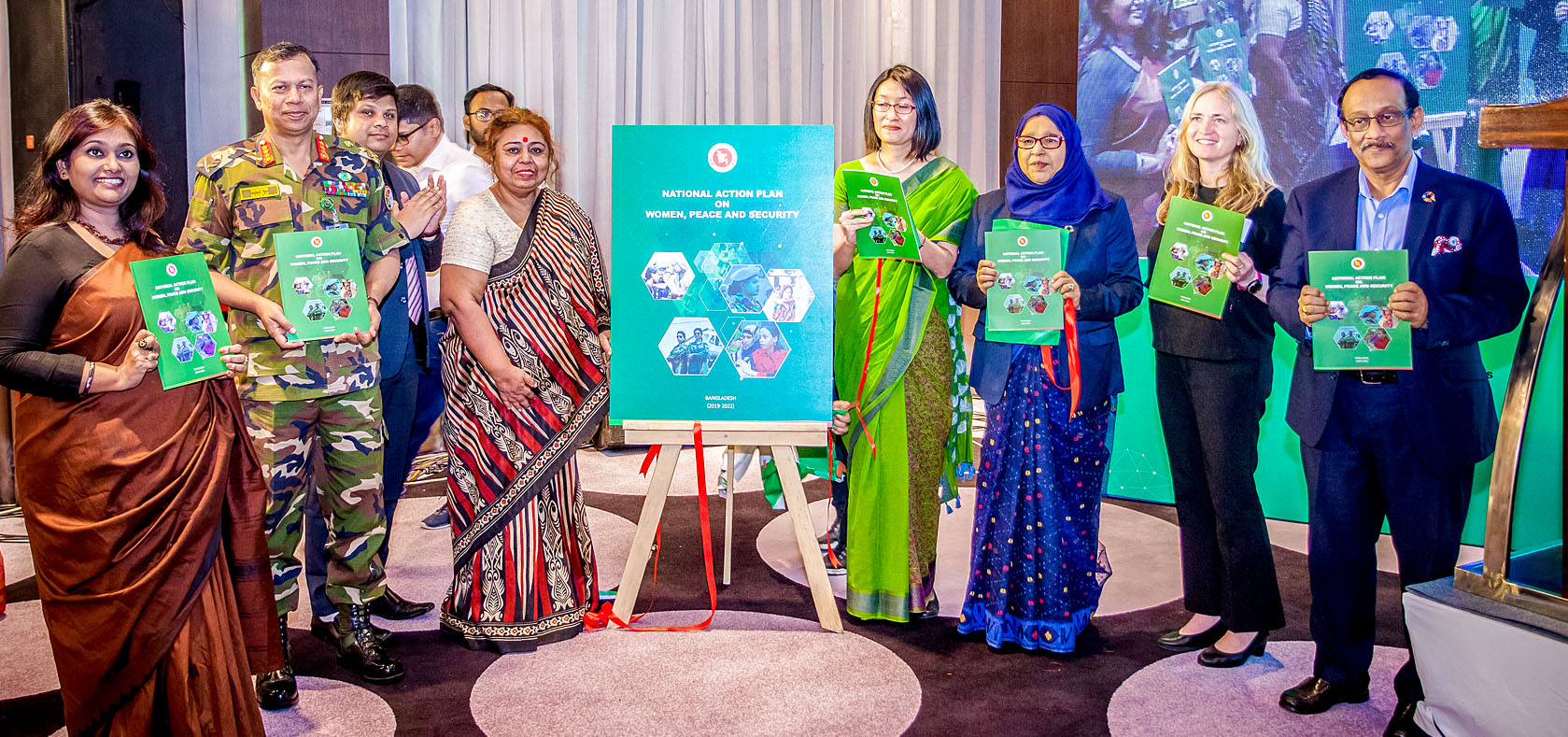

Dr. Debotri Dhar, a scholar of gender and global policy, published a compelling opinion piece in the Times of India stressing the urgent need for a comprehensive national action plan on “Women, Peace and Security” (WPS) in India. Drawing on global research and India’s own experiences, Dhar argued that despite being one of the world’s largest contributors to UN peacekeeping missions, and despite facing internal challenges related to gendered violence in conflict-affected regions . India still lacks a formal and coordinated WPS framework. This gap, she wrote, leaves the country unprepared to fully address the complexities of conflict-related violence against women and limits its ability to lead by example on the global stage.
Dhar emphasised that a national WPS plan would go far beyond symbolic commitment. It would formally embed women’s participation in peace negotiations, conflict prevention, and post-conflict reconstruction, spaces where women remain severely underrepresented. She stressed that women possess valuable local knowledge and lived experiences that can strengthen peacebuilding outcomes, yet they are rarely given structural support or decision-making authority. A national plan could help change this by ensuring women’s voices are not added as an afterthought, but positioned as central to peace and security processes.
Her article also highlighted the need to strengthen women’s organisations and grassroots networks that have long been at the forefront of community resilience, humanitarian response, and rights advocacy. According to Dhar, a WPS framework would allow these groups to access stable funding, build capacity, and coordinate more effectively with state and national institutions. Additionally, she underscored the importance of gender-responsive training for security forces, noting that without sensitisation and clear protocols, systems meant to protect women often fail them.
A key point of her argument was the need to shift the public narrative around women in conflict. Dhar insisted that women should not be seen solely as victims of war, displacement, or violence; they are also leaders, negotiators, mediators, and protectors of community well-being. To unlock this potential, India must create formal, long-term structures that acknowledge and empower women as agents of peace.
Her piece has sparked renewed conversations among policymakers, activists, and scholars about India’s responsibility to adopt a forward-looking WPS strategy, one that not only aligns with international standards but also responds to the country’s unique socio-political realities.