


/filters:format(webp)/english-betterindia/media/media_files/2025/12/23/whatsapp-image-priyanka-tri-2025-12-23-12-24-49.jpeg "Over 600 Grassroots Women in Ranchi Trained in AI Skills to Boost Livelihoods")

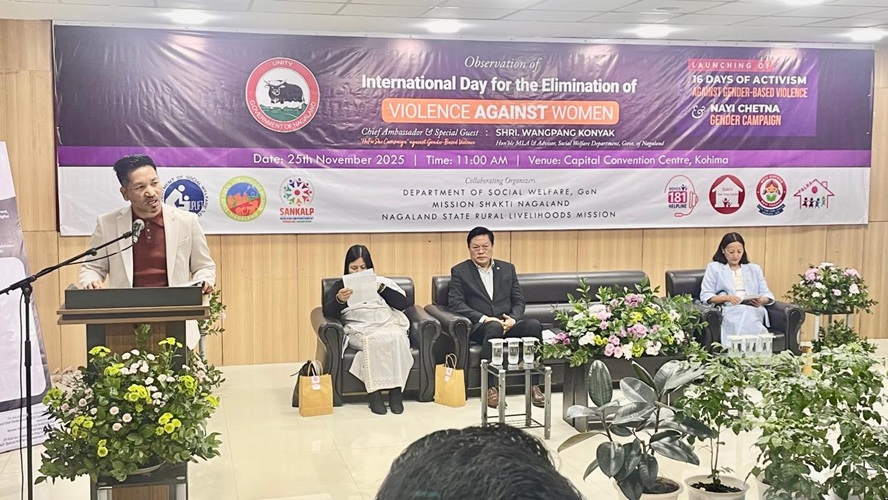

In Kohima, Nagaland marked 25 November with a vibrant and deeply meaningful launch of the 16 Days of Activism Against Gender-Based Violence, blending community participation, indigenous culture, and public commitment into a powerful statement.
Held at the Capital Convention Centre, the event was not a standard government ceremony , it was a gathering shaped by emotion, storytelling, and unity. Women from across districts shared personal accounts of the violence they had survived, speaking openly , some for the first time , about emotional abuse, marital violence, and digital harassment. Male officials, community elders, and youth groups attended in solidarity, reflecting the state’s push to promote the HeForShe movement and involve men as active participants in prevention.
The Social Welfare Department highlighted the need for stronger legal awareness, better access to shelters, and community-level interventions that honour local customs while ensuring women’s safety. Local musicians and cultural performers also used art to shed light on gender inequality, sending a message that change is not just structural but cultural. For many attendees, the event marked a shift , a collective realisation that protecting women is not merely a policy issue but a shared responsibility and a moral obligation that binds the entire community.