


/filters:format(webp)/english-betterindia/media/media_files/2025/12/23/whatsapp-image-priyanka-tri-2025-12-23-12-24-49.jpeg "Over 600 Grassroots Women in Ranchi Trained in AI Skills to Boost Livelihoods")

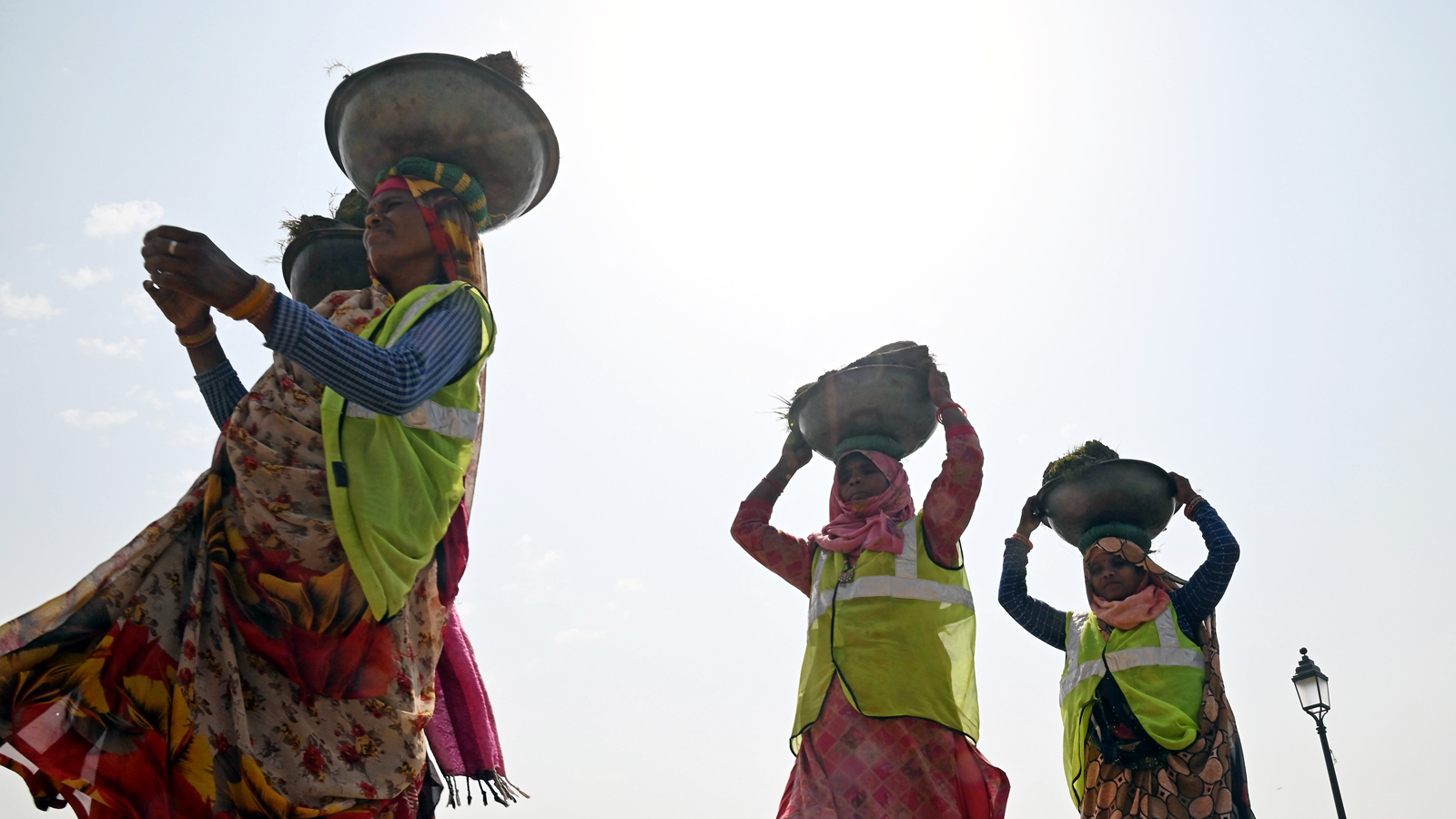

India’s labour market has recorded a welcome uptick in recent months, driven largely by an increase in women joining the workforce, especially in rural areas. According to the latest bulletin from the National Statistical Office (NSO), the Labour Force Participation Rate (LFPR) for women reached around 34.1 per cent in September, marking the highest level in five months and continuing a three-month surge. The Worker Population Ratio (WPR) for women also climbed to 32.3 per cent overall, with rural women accounting for much of the gain.
In rural India, female participation improved markedly , the LFPR rose from approximately 35.2 per cent in June to around 37.9 per cent in September. Urban participation, however, stagnated at around 26.1 per cent, revealing a persistent disparity between rural and urban engagement of women in the economy. While overall employment levels improved, the rise is largely attributed to increased participation rather than large-scale formal employment.
One government official observing the trend noted that “the rising numbers show renewed momentum in labour supply, but much of it is informal and still vulnerable”. Many rural women appear to be taking up various kinds of work , agriculture, farm labour, self-employment or micro-enterprises , even as urban women continue to face higher barriers to formal jobs.
For policy-makers and employers, the numbers carry both promise and caution. On one hand, the rising participation suggests that efforts to engage women in the workforce may finally be gaining traction. On the other, the fact that urban participation remains weak signals that without better access, safety, flexible work models and skills interventions, many women will remain sidelined.
This uptick in women’s participation, driven by rural areas, is an encouraging sign for India’s economic inclusion agenda. Yet it also underscores that the road ahead is far from level. For women’s work to translate into meaningful empowerment, roles must be secure, paid and open to talent from every region. The challenge now is to build the bridge from participation to permanence , so that women’s growth in the labour market becomes not just a statistic, but a sustainable shift.