


/filters:format(webp)/english-betterindia/media/media_files/2025/12/23/whatsapp-image-priyanka-tri-2025-12-23-12-24-49.jpeg "Over 600 Grassroots Women in Ranchi Trained in AI Skills to Boost Livelihoods")


Entrepreneurs accelerate the shift in India to a circular economy by converting waste into value, designing products in reuse, and redefining the supply chain. Women founders, in particular, are leading in this field and have created companies that specialize in recycling, upcycling, biodegradable packaging, regenerative agriculture and sustainable consumer products. The following are ten Indian women founders whose start-ups are providing useful circular solutions, livelihoods, and lowering environmental impact.
1. Sonal Shukla
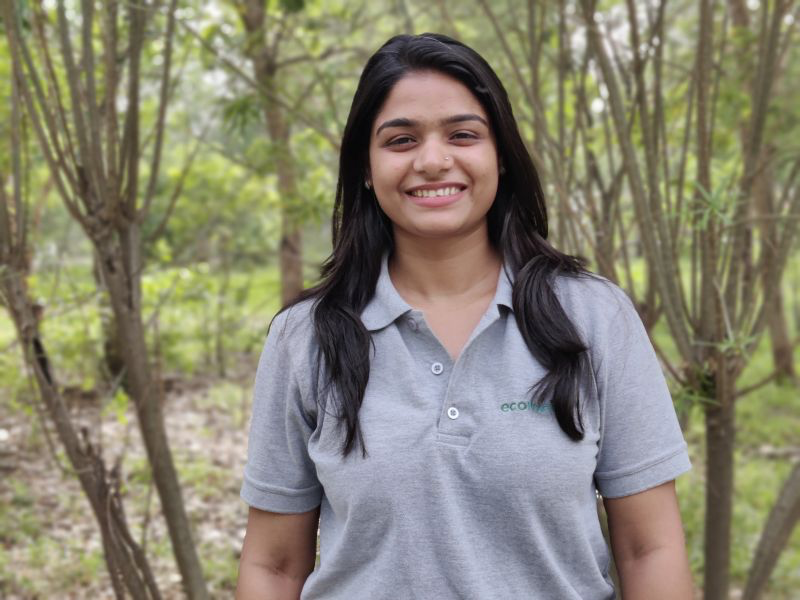
Sonal is a co-founder of econscious that is dedicated to eliminating plastic waste by transforming the used plastics into durable and stylish furniture and building materials. Her business engages waste collection networks and business collaborators to redirect waste plastic off the landfills and build circular value chains that also generate local jobs. Econscious has been cited as a case of community reuse and recycling.
2. Prianka Jhaveri

Prianka is also one of the co-founders of The Mend Packaging that is a startup that builds compostable packaging options using organic waste sources like coffee grounds and agricultural residues. The company is also trying to substitute single-use plastics with materials that can be recycled back to the biosphere and complete the loop on everyday waste.
3. Rhea Kothari

Rhea is a specialist in product development and collaboration at The Mend Packaging and assists in scaling lab-to-market solutions that transform food and plants waste into packaging. Through her work, it is shown how the local byproducts can be used to produce commercially viable but compostable materials and minimise the use of petroleum-based plastics.
4. Rishika Reddy

Rishika also helps in designing and sustainability strategy of the company; products are designed to be useful as well as environmentally friendly. The interdisciplinary character of the team the combination of materials science and the circular design is expected to make sustainable packaging an affordable mainstream solution.
5. Natasha D’Costa

Natasha established Start Upcycling Now with the aim of converting the discarded plastic bottles and other household and lifestyle waste to useful products. SUN educates people about upcycling through workshops and corporate participation, educates the local communities, and shows them how small interventions, that are design-led, can result in the economy continuing to use plastics as useful materials.
6. Shivali Sugand
The GreenGrahi by Shivali is located at the interplay between agri-waste and circular bio-solutions, transforming the food residues to value using insect-based and bio-nurtient systems. The startup can improve the local micro-supply chains and decrease the organic waste streams by converting agricultural and household waste into inputs to aid plants and animals.
7. Prachi Shevgaonkar
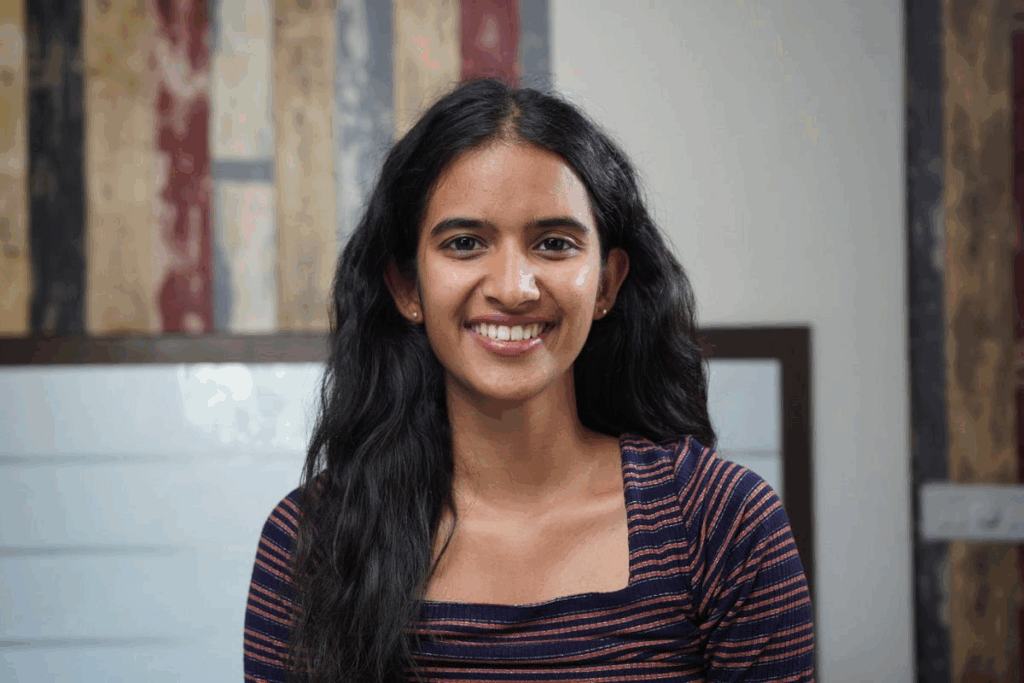
Prachi has engaged in climate and circularity programs which promote a low-carbon lifestyle and circular product decisions. Her entrepreneurial activities focus on community-based work and behavioural change to mitigate the emission and waste of materials among the things that can be done by households and small businesses that are scalable.
8. Pallavi Srivastav
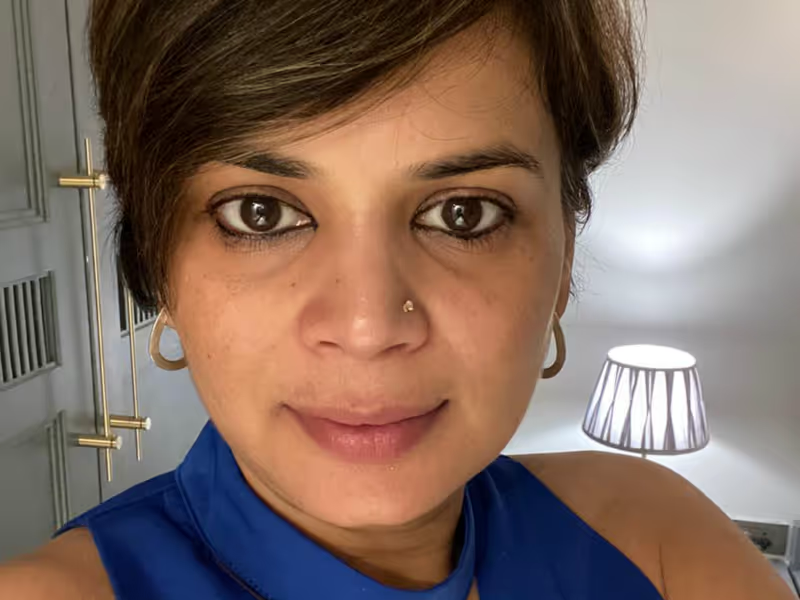
Pallavi is the founder of OBP, a certified market that consists of sustainable products and promotes the small makers who are circular or low impact. The platform can be used to command the demand to be directed towards items produced using recycled materials, natural fibres and regenerative processes by matching conscious consumers with ethical producers.
9. Bandana Jain
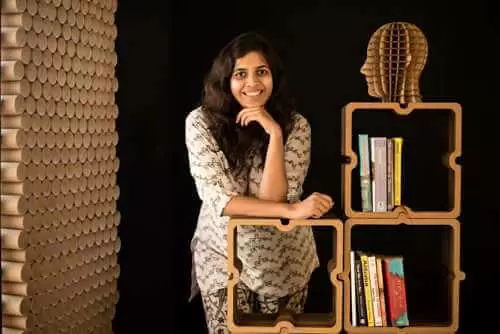
Sylvn Studio based in Bandana, is a design studio producing homes and furniture out of corrugated cardboard and recycled materials and integrates circularity with design sense. Her business involves rebuilding skills and training women artists, who sustain themselves and preserve the reclaimed material through creative and lasting items.
10. Niveda Ravikumar
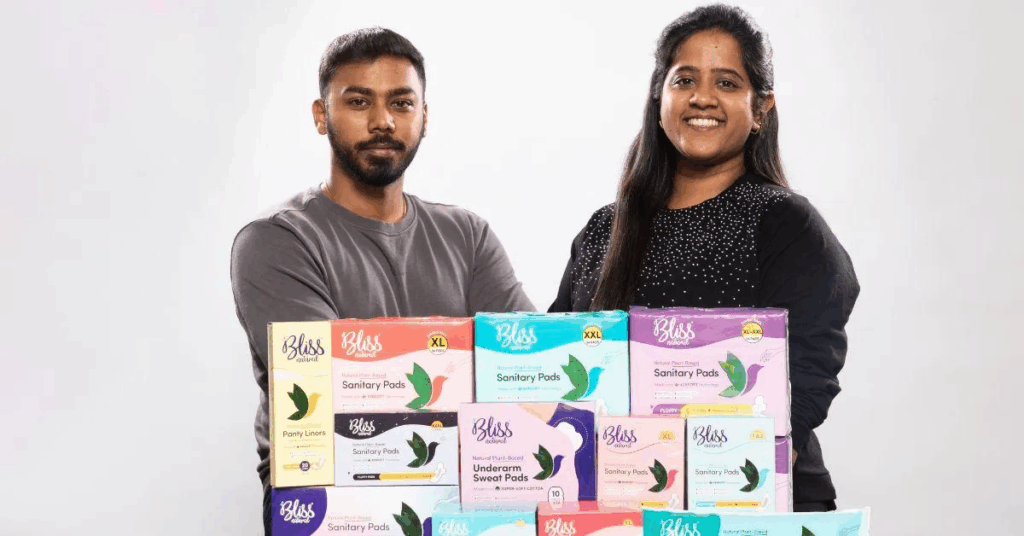
BlissPads is a company that was established to provide menstrual hygiene products, made by Niveda, and is eco-friendly because it generates less waste and plastic and chemicals as compared to the other normal menstrual care products. Her firm considers health as well as environmental factors of a product type that generates high amounts of waste using locally sourced materials and end-of-life concerns.
These 10 women founders constitute an emerging trend in India where businesses are more sustainability-focused and the business model is driven by circular thinking. Their startups demonstrate that solutions to the circular economy are profitable, scalable and socially inclusive – to provide jobs and reduce waste and pollution. Founders such as these will play a crucial role in creating a strong, low-waste economy in India as investors, consumers and policymakers become more and more focused on circular solutions.