

/filters:format(webp)/english-betterindia/media/media_files/2025/12/23/whatsapp-image-priyanka-tri-2025-12-23-12-24-49.jpeg "Over 600 Grassroots Women in Ranchi Trained in AI Skills to Boost Livelihoods")

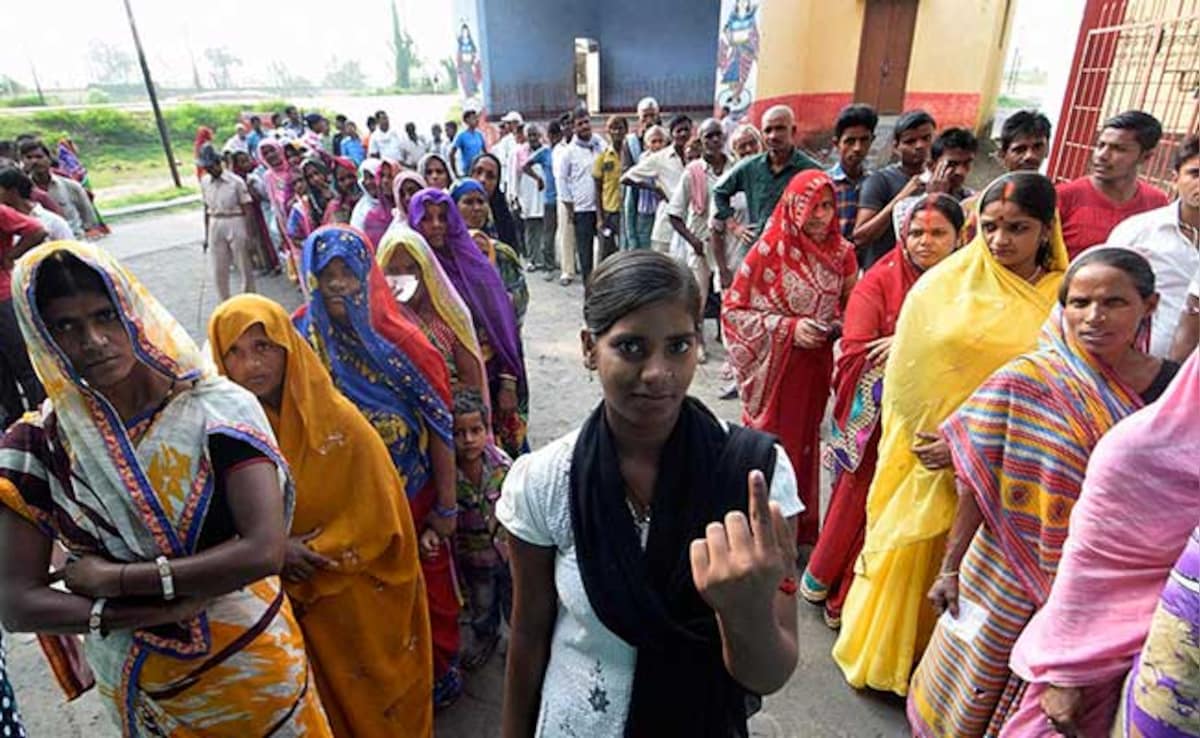

Despite women in Bihar turning out to vote in record numbers, the state continues to struggle with a glaring gap in women’s political representation.
Recent data reveals that while over 2.5 crore women voters participated in the electoral process, voting at a higher rate (71.78%) compared to men (62.8%), their presence in leadership roles remains disproportionately low. Out of more than 2,600 candidates fielded across parties, only 255 were women, highlighting a pattern of tokenism rather than genuine political inclusion.
Ultimately, only 29 women secured a seat, amounting to less than 10% representation in the assembly. Analysts point out that deep-rooted structural barriers, patriarchal political networks, limited party support, and social restrictions continue to limit women’s access to leadership positions despite their increasing political awareness and participation.
The article emphasizes the irony of a politically active female voter base being shut out from meaningful decision-making roles and calls for parties to re-evaluate their approach to gender representation in electoral politics.