

/filters:format(webp)/english-betterindia/media/media_files/2025/12/23/whatsapp-image-priyanka-tri-2025-12-23-12-24-49.jpeg "Over 600 Grassroots Women in Ranchi Trained in AI Skills to Boost Livelihoods")


As the first phase of the Bihar assembly elections nears, the opposition INDIA bloc’s chief ministerial candidate Tejashwi Prasad Yadav announced a major promise: a lump-sum payment of ₹30,000 to each woman under the “Mai Bahin” scheme if his party comes to power. The amount represents a full year’s support (₹2,500 per month) cast as a single advance payout on Makar Sankranti.
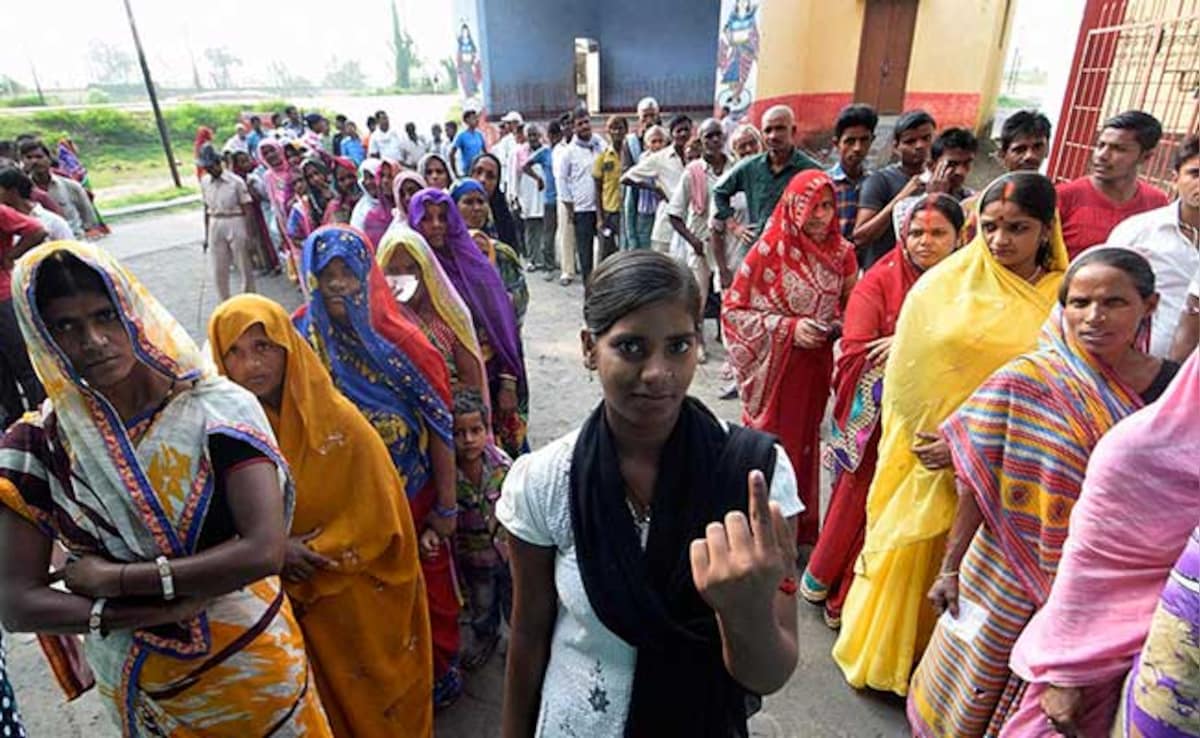
The announcement was made during a campaign rally and is designed to appeal directly to the state’s female electorate, a demographic with growing turnout and influence. Analysts note the strategy underscores how women are now central to election dynamics in Bihar. However, others warn that while the offer may win short-term votes, long-term female empowerment depends on employment, education and safety.
As one voter in Patna put it: “It sounds good but if I don’t get a job or feel safe, the money won’t be enough.”
Cash promises grab headlines, but they don’t replace structural change. Bihar’s latest election gambit places women in the spotlight, but the real test will lie in how those promises translate into lasting empowerment.