


/filters:format(webp)/english-betterindia/media/media_files/2025/12/23/whatsapp-image-priyanka-tri-2025-12-23-12-24-49.jpeg "Over 600 Grassroots Women in Ranchi Trained in AI Skills to Boost Livelihoods")

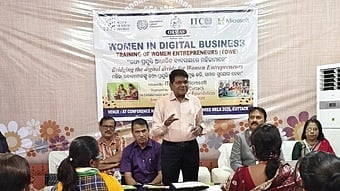

In Odisha, around 45 women entrepreneurs from various self-help groups (SHGs) came together at the vibrant Balijatra fair for a three-day workshop dedicated to digital entrepreneurship. The programme organised by ORMAS in partnership with Microsoft and the International Labour Organisation, aimed to bridge the digital divide that often prevents rural women from tapping into wider markets and modern business opportunities. For many of the participants, who traditionally rely on local fairs and community networks to sell their products, this was their first structured introduction to the digital tools shaping today’s entrepreneurial landscape.
Throughout the workshop, the women engaged in hands-on sessions that covered a wide range of practical skills. Trainers guided them through the basics of building simple websites to showcase their products, using social media platforms strategically, creating engaging reels for online visibility, and managing digital payments securely. The sessions were designed to be interactive and beginner-friendly, allowing participants to experiment with smartphones, laptops, and online platforms under direct supervision.
For several of these entrepreneurs , many of whom craft handloom products, artisanal snacks, or traditional handicrafts, the training opened up entirely new possibilities. With digital storefronts and online marketing techniques, they now have the potential to expand their market reach far beyond occasional fairs or local buyers. Some participants expressed excitement about being able to connect with customers across districts, cities, and even states, marking a major shift in how rural women-led businesses operate.
The initiative is part of a larger, forward-looking effort to integrate rural women into the digital economy and ensure they are not left behind as markets increasingly move online. By empowering SHG members with digital literacy and entrepreneurial confidence, the programme supports traditional artisans and small-scale producers in scaling their livelihoods sustainably. It also reinforces a broader vision: enabling rural women to become competitive, self-reliant entrepreneurs who can adapt, innovate, and thrive in a fast-changing economic landscape.